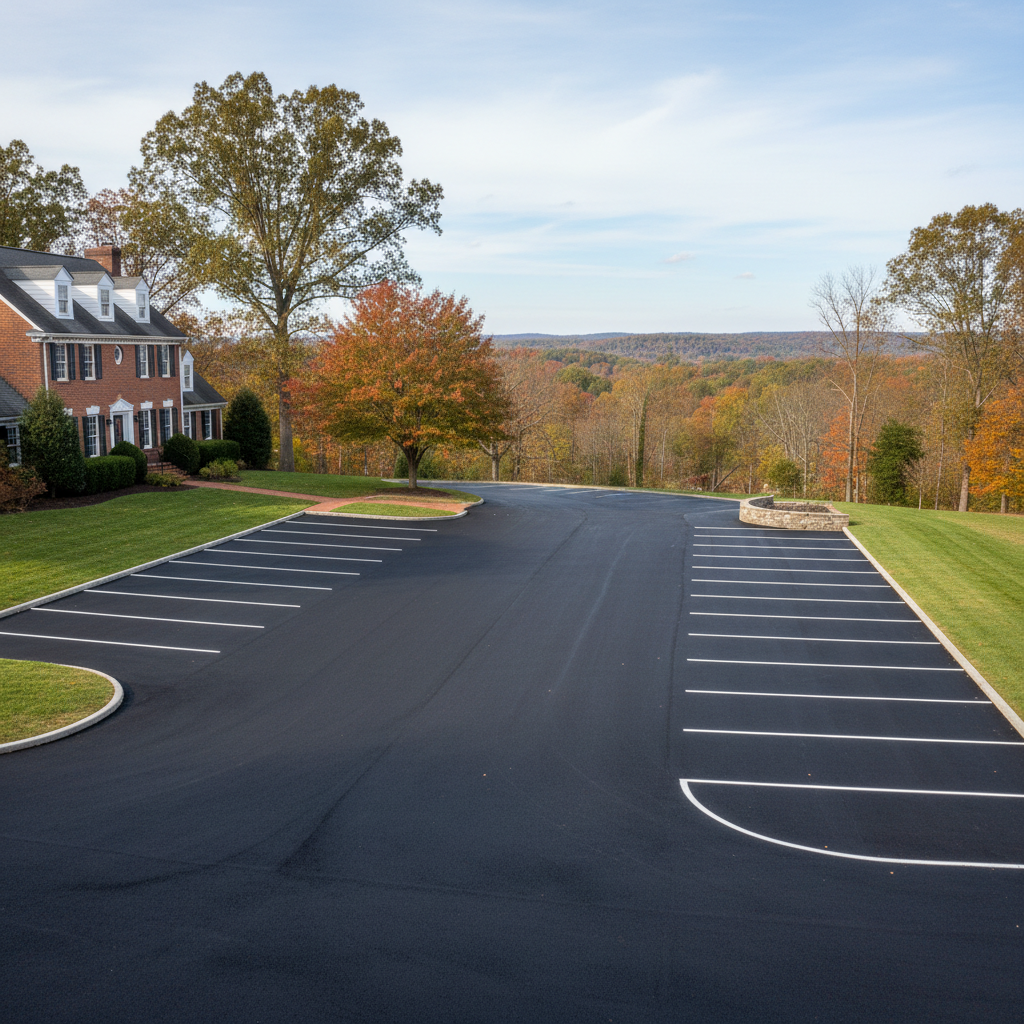
So, you're looking to pave a new parking area or replace an old one at your Falls Church property. That's a solid investment, and it's one you want to get right. I've seen a lot of these projects come and go over the years, and a little planning upfront can save you a ton of headaches and money down the road. Let's talk about what you need to know.
Project Timeline: What to Expect
People often underestimate how long a paving project can take, from initial thought to final cure. It's not just a day or two of work on site. Here's a realistic breakdown:
- Initial Inquiry & Quotes (2-4 weeks): You'll want to get a few bids. Don't rush this. A good contractor will come out, look at your site, discuss your needs, and then put together a detailed proposal. This isn't a quick phone call.
- Contract & Scheduling (1-2 weeks): Once you pick a contractor, you'll review and sign the contract. Then you'll get on their schedule. Good contractors are busy, especially during peak seasons (spring and fall here in Northern Virginia, before the really hot summer or cold winter hits). You might be a few weeks out, or even a month or two for bigger jobs.
- Pre-Construction Prep (1-3 days): This is often on your end. Clearing the area, moving vehicles, making sure utilities are marked.
- On-Site Work (2 days - 1 week+): This is where the magic happens. For a typical residential parking area, it's usually a few days. If there's a lot of excavation, drainage work, or a larger area, it'll take longer.
- Curing Time (7-30 days): This is crucial and often overlooked. You can't just drive on fresh asphalt immediately. Your contractor will give you specific instructions, but generally, you'll need to stay off it for at least 3-7 days, and it won't be fully cured for a month. Don't mess this up; it impacts the longevity of your pavement.
What Happens During the Paving Process?
When the crew shows up, here's a general idea of the steps:
- Site Preparation: First, we clear the area. That means removing any old pavement, dirt, or debris. If it's a new parking area, we'll excavate down to the right depth. We're looking for a solid base.
- Grading & Drainage: This is critical, especially with our clay soils around Falls Church. We'll grade the area to ensure proper water runoff. You don't want puddles sitting on your new asphalt, or worse, water pooling against your foundation. Good drainage prevents future cracking and extends the life of your pavement.
- Base Layer Installation: We'll lay down a layer of crushed stone or aggregate. This is compacted thoroughly to create a stable foundation for the asphalt. Think of it as the bedrock for your driveway.
- Binder Layer (if needed): For thicker applications, a binder layer might be applied before the surface layer.
- Asphalt Application: Hot asphalt mix is then laid down using specialized equipment. It's spread evenly and then compacted with heavy rollers. This is where you see the smooth, black surface take shape.
- Compaction & Finishing: Multiple passes with rollers ensure the asphalt is dense and smooth. Edges are hand-tamped for a clean finish.
- Curing: As I said, then it sits and cures. Resist the urge to drive on it too soon!
How to Prepare Your Property
Before the crew arrives, you've got a few things to take care of:
- Clear the Area: Move all vehicles, trailers, toys, planters, and anything else from the work zone and surrounding access points. We need a clear path.
- Mark Sprinklers & Utilities: If you have an irrigation system, invisible dog fence, or anything else buried near the work area, mark it clearly. Call 811 to have public utilities marked. While we're careful, it's your responsibility to point out private lines.
- Trim Overhanging Branches: If trees are hanging low over the work area, trim them back. We need room for equipment.
- Communicate: Talk to your contractor about any specific concerns or access issues. If you have pets or kids, make sure they're kept away from the work zone for safety.
Questions to Ask Before Signing a Contract
Don't just go with the cheapest bid. Ask these questions to make sure you're getting a quality job:
- What's the exact scope of work? Get it in writing. How much excavation? What kind of base? How many inches of asphalt?
- What kind of asphalt mix do you use? There are different grades. Ask why they chose that specific one for your project.
- How do you handle drainage? This is huge. Make sure they have a plan for water runoff.
- What's your warranty? A reputable company like Coastal Asphalt Solutions will stand behind their work. Understand what's covered and for how long.
- Are you licensed and insured? Always ask for proof. Don't risk liability on your property.
- Can you provide references? And actually call them. Ask about their experience, timeliness, and quality of work.
- What's the payment schedule? Avoid contractors who demand 100% upfront. A reasonable deposit is fine, with the balance due upon satisfactory completion.
- What's the estimated start and completion date? Get a realistic timeframe.
Taking the time to plan and ask the right questions will ensure your new parking lot is a durable, attractive addition to your Falls Church home for years to come. It’s an investment, so treat it like one.