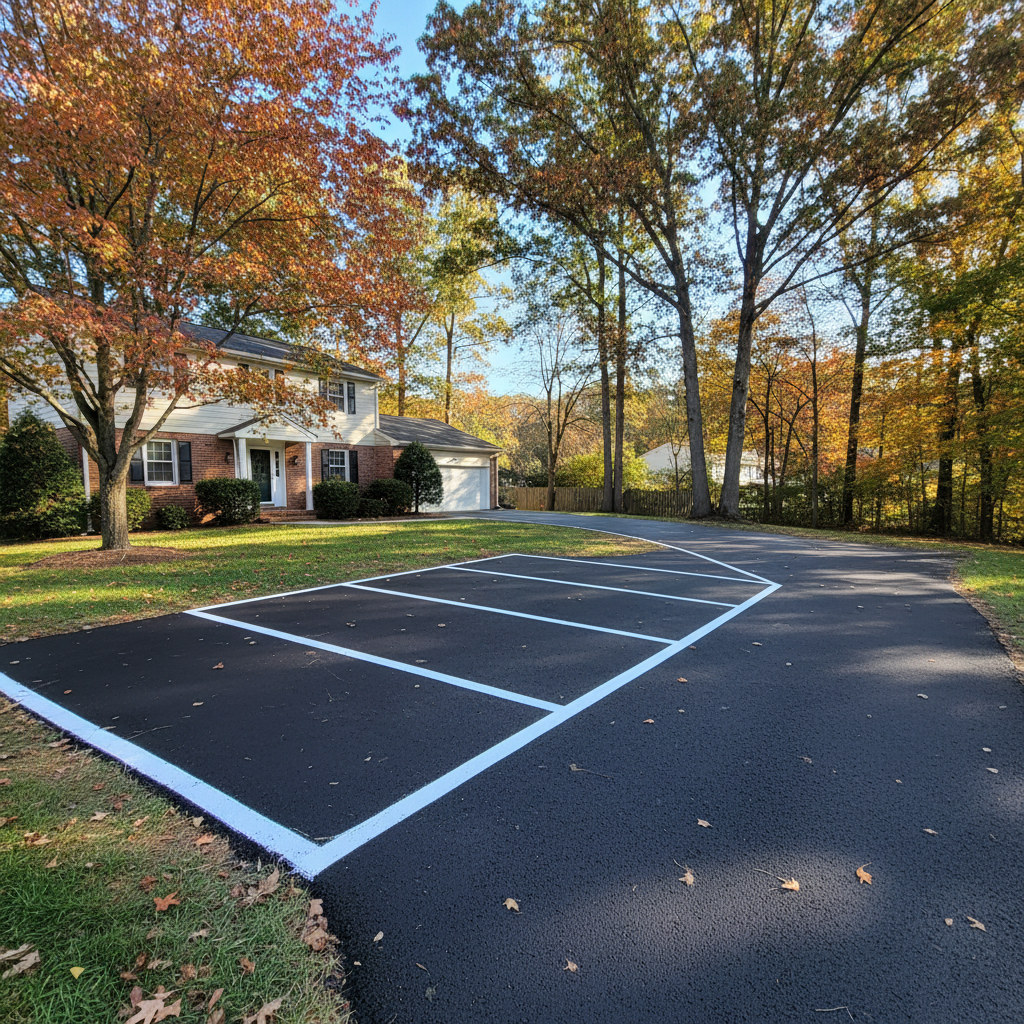
You need your parking lot lines or driveway markers to be crisp and clear, right? It’s more than just looking good; we're talking about safety, how traffic flows, and the first impression your place makes. But when's the absolute best time to get that striping work done here in Falls Church? It’s not as simple as just waiting for a sunny day. There’s actually a bit more to it, especially with our local weather playing its part.
Timing Your Striping Project: It's All About the Weather
The biggest factor for a successful striping job isn't just the paint itself; it's the conditions when that paint actually goes down. I’ve seen countless jobs go south because someone tried to rush it or didn't quite grasp the science behind it. For asphalt striping, you're really looking for a sweet spot in terms of temperature and moisture, a Goldilocks zone, if you will.
Generally, I tell folks the best window is late spring through early fall. Think April, May, June, and then again September and October. Why those specific months? Because the ground temperature needs to be consistently above 50°F, and the air temperature should ideally hover in that 50-85°F range. If it’s too cold, the paint won’t cure properly. It’ll end up brittle, it won’t stick well to the asphalt, and you’ll see it flake off way too soon. If it’s too hot, especially on a fresh asphalt surface, the paint can dry too quickly on the surface, trapping solvents underneath. That leads to poor adhesion and, you guessed it, premature failure.
Humidity plays a role too. High humidity can really slow down drying times. We get some pretty muggy summer days around here, especially after a rainstorm, and those aren't ideal for striping. The paint needs to dry and cure, not just sit there absorbing moisture from the air. So, a clear, dry day with moderate temperatures is what we're always aiming for.
Rain, Dew, and Other Moisture Headaches
This one seems obvious, but you’d be surprised. You absolutely cannot stripe on wet asphalt. Not even a little bit damp. The paint just won't stick. It’ll simply sit on top of the water, and as soon as that water evaporates or gets pushed away, your lines will be gone or severely messed up. This means we need a good stretch of dry weather leading up to the job, and a forecast that promises no rain for at least 24 hours after. Sometimes, if we’ve had a lot of rain, the ground can stay damp for days, even if the surface looks dry. That’s why experience matters; we know to check for subsurface moisture, the kind you can't always see.
Dew is another sneaky culprit. Early mornings, especially in the spring and fall, can bring heavy dew. That’s why we often start striping later in the morning once the sun has had a chance to burn off any moisture. It’s all about making sure the surface is completely dry and truly ready to accept the paint.
Year-Round Protection for Your Striping Investment
Once those lines are down, you want them to last. Here’s what you can do:
- Keep it Clean: Dirt, sand, and debris act like sandpaper on your painted lines. Regular sweeping or blowing off your lot helps a lot. It prevents abrasive wear and keeps the lines visible.
- Watch for Chemicals: Spills from oil, gas, or other automotive fluids can break down asphalt and paint. Clean them up quickly. If you run a commercial property, make sure your tenants or employees know to report spills.
- Mind Your Snow Removal: This is a big one for us here in Northern Virginia, especially with the occasional heavy snowfall we get. Plowing too aggressively or using metal-edged plows can scrape off paint in a hurry. If you’re hiring a snow removal service, make sure they understand the importance of protecting your striping. Using plows with rubber edges or keeping the blade slightly elevated can make a huge difference.
- Sealcoating: This is probably the best thing you can do for your entire asphalt surface, including your striping. A good sealcoat every few years protects the asphalt from UV rays, water, and chemicals. When we apply a fresh sealcoat, we’ll re-stripe afterward, giving you a completely refreshed look and extending the life of both your pavement and your lines. It’s a smart investment, really.
- Regular Inspections: Just take a walk around your lot or driveway every now and then. Notice if lines are fading, cracking, or showing signs of wear. Catching small issues early can prevent them from becoming bigger, more expensive problems.
Ultimately, a well-maintained parking lot or driveway with clear, bright striping speaks volumes about your property. It shows you care about safety and appearance. We’ve been helping folks in Falls Church, from the busy commercial strips on Broad Street to the quieter residential areas like the ones off West Street, keep their asphalt looking good for years.
If you’re thinking about getting your lines refreshed, give us a call at Coastal Asphalt Solutions. We're happy to come out, take a look, and give you an honest assessment of what your asphalt needs and when the best time to do it would be.