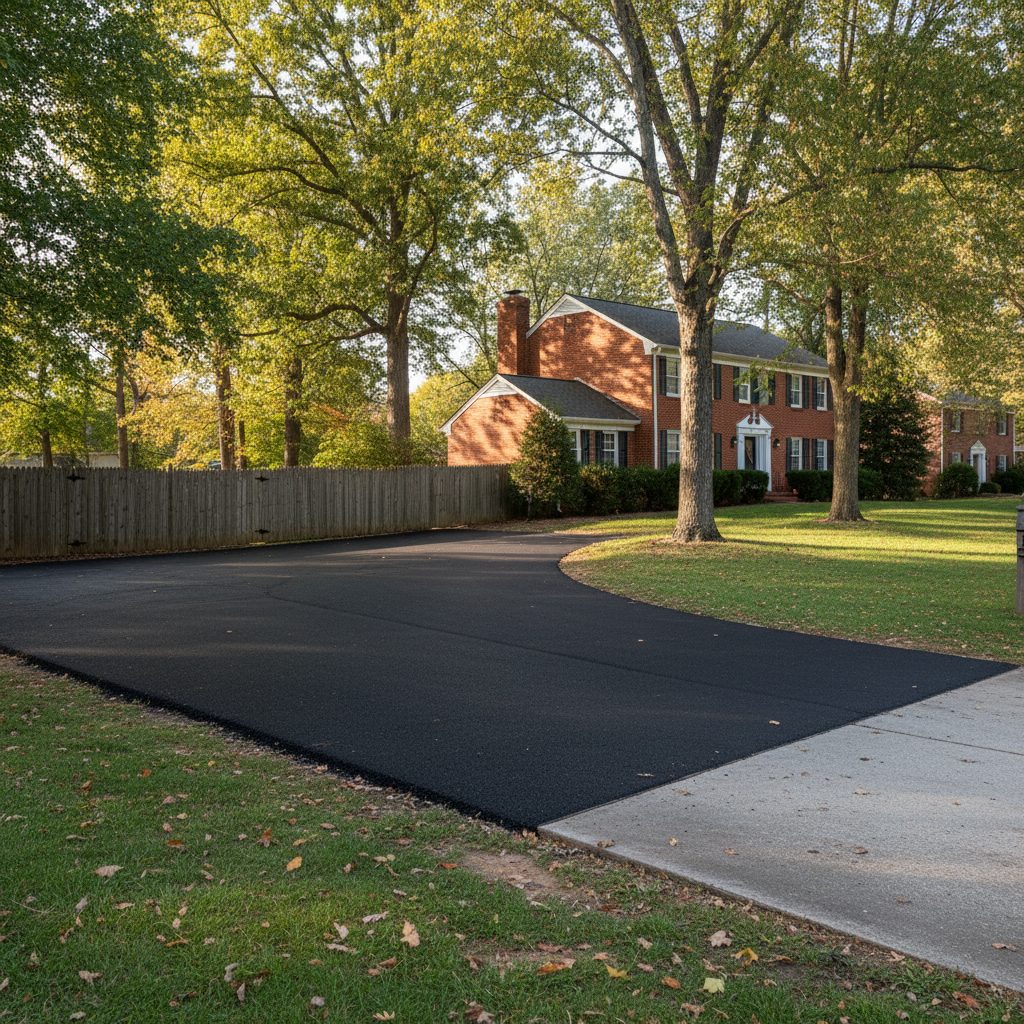
When's the best time to fix your asphalt driveway or parking lot here in Falls Church? That's a question I hear a lot, and honestly, the answer isn't just 'spring' or 'fall.' Our local weather, with its hot, sticky summers and often freezing, wet winters, really tells us when asphalt work makes the most sense and how long it'll actually last.
Timing Your Asphalt Repairs: It's All About the Weather
You can't just slap down asphalt whenever you feel like it and expect it to hold up. Temperature and moisture are huge factors. Here's what I've picked up after years of working on properties, from the older homes near Broad Street to those newer developments off Gallows Road:
- Spring (Late March to Early June): This is often perfect. The ground has thawed out, temperatures are consistently above 50°F (which is super important for asphalt to cure right), and we usually haven't hit the oppressive humidity or daily thunderstorms of summer yet. It's a sweet spot for everything, from patching to sealcoating. The asphalt bonds well and cures slowly, making for a stronger, more durable surface.
- Summer (Mid-June to August): Sure, we can definitely do work in the summer, but you've got to be smart about it. Really high heat can actually be a problem if it's too extreme; it makes the asphalt too soft to work with, or it cures too quickly without proper compaction. Pop-up thunderstorms are also a constant threat, and you just can't lay asphalt on a wet surface. If we're working in summer, we're watching the forecast like hawks and often scheduling early morning starts.
- Fall (September to Early November): Another excellent window, wouldn't you say? The ground is still warm, and air temperatures are usually in that prime 50-80°F range. This lets us get good compaction and curing done before the really cold weather hits. It's a race against that first hard freeze, though. Once nighttime temperatures consistently drop below freezing, or if we get a lot of rain, that window closes pretty fast.
- Winter (Mid-November to March): Generally, this is a no-go for permanent asphalt repairs or new paving. Asphalt needs warm temperatures to be pliable and to cure correctly. Laying it in freezing weather means it won't compact properly, which leads to premature cracking and failure. We can do temporary cold patching for emergencies, but it's just that – temporary. You'll definitely need a proper repair come spring.
Protecting Your Falls Church Asphalt Year-Round
Getting the repair done at the right time is only half the battle. You've got to protect that investment. Here are some year-round tips:
- Deal with Cracks Early: Small cracks turn into big potholes, especially with our freeze-thaw cycles. Water gets in, freezes, expands, and then melts, weakening the base. Get those cracks filled as soon as you spot them. It's way cheaper than repaving, believe me.
- Sealcoat Regularly: For residential driveways, I usually tell folks to sealcoat every 2-3 years. Think of it like sunscreen for your asphalt; it protects it from UV rays, water penetration, and oil spills. Plus, it gives it that fresh, black look. Just make sure it's done when temperatures are right – typically spring or fall.
- Watch for Drainage Issues: If water is pooling on your driveway, that's a problem. Standing water speeds up deterioration. Sometimes it's a simple fix, like clearing a clogged drain, other times it might need some grading adjustments. We see this a lot in older neighborhoods where the original grading might not have accounted for modern runoff.
- Mind Your Heavy Loads: If you're parking an RV or a heavy work truck on your residential driveway regularly, that's going to put a lot of stress on the asphalt. You might want to consider if you need a thicker base or a different paving solution for those specific spots.
- Be Smart with Snow Removal: When you're shoveling or plowing, be careful not to gouge the asphalt. Using metal shovels or plow blades directly on the surface can cause damage. Keep plows slightly elevated. Also, try to avoid using too many de-icing salts, as they can accelerate asphalt breakdown over time. Sand is a better option for traction.
Look, your asphalt is a big investment. Taking care of it means understanding a bit about how it reacts to our specific Falls Church climate. If you've got questions about your driveway or parking lot, or if you're seeing issues, don't hesitate to give us a call at Coastal Asphalt Solutions. We're always happy to take a look and give you an honest assessment.