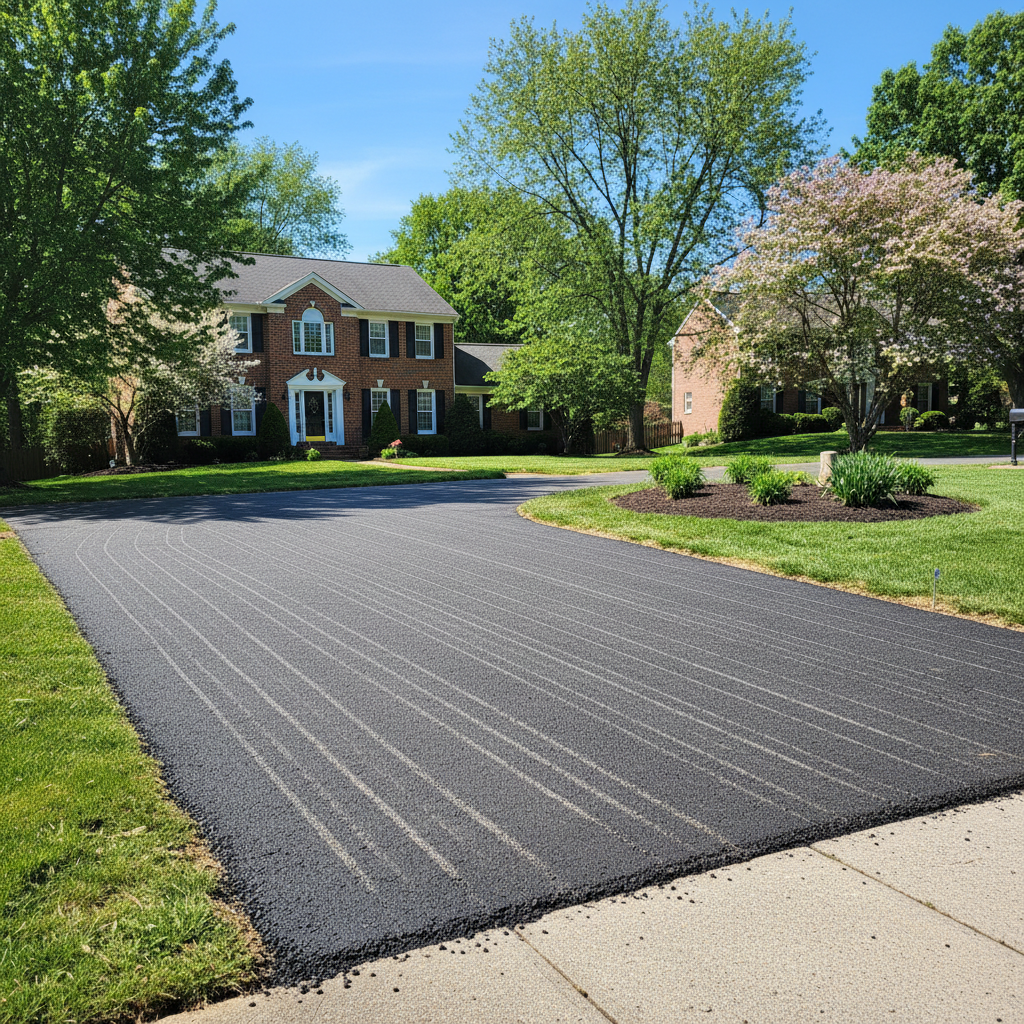
So, you're thinking about asphalt milling for your place. Maybe your driveway's seen better days, or you've got a private lane that really needs a facelift. Milling can be a fantastic solution – it's not just about ripping everything out, you know? It's about recycling and setting up a solid base for new pavement. But, boy, I've seen folks here in Falls Church make some real head-scratchers when they're planning and hiring for these kinds of projects. Let's dig into what you should really keep an eye out for.
Mistake #1: Not Understanding What Milling Actually Is
This sounds super basic, but it's a huge one. Some homeowners think milling is just a fancy way to say 'patching' or 'resurfacing.' Nope. It's not. Milling is when you take off a specific amount of the old asphalt surface using a special machine. That machine grinds up the old stuff into material we can reuse (we call it RAP – Recycled Asphalt Pavement). This leaves you with a fresh, level surface, ready for a new layer of asphalt. We often do this when the existing pavement has a lot of cracks, ruts, or if it's just too high and causing drainage or grade problems. If a contractor talks about milling but doesn't explain this clearly, or suggests it for small issues that a simple overlay could fix, that's a big red flag. You need to know exactly what you're paying for and why it's the right fit for your specific situation.
Mistake #2: Skipping Subgrade Inspection
This is probably the biggest blunder I see, especially in older Falls Church neighborhoods. Think about those mature trees and all the different soil conditions around here! You can mill off the top layer, lay down beautiful new asphalt, but if the ground underneath is shot, you're going to have problems all over again. Sometimes within a year or two, even. The subgrade is your foundation. If it's unstable, poorly drained, or has issues from tree roots or old utility trenches, that new asphalt won't last. A good contractor, like us at Coastal Asphalt Solutions, will always check out the subgrade. We look for signs of bad drainage, soft spots, or areas that might need fixing or strengthening *before* we even start milling. If a contractor just gives you a quote for milling and paving without even checking what's underneath, you should be suspicious. They're just selling you a surface, not a real solution.
Mistake #3: Focusing Only on the Lowest Bid
Look, I get it. Everyone wants a good deal. But with asphalt milling, the cheapest bid often ends up costing you more in the long run. Why? Because cutting corners in this business usually means using less material, using cheaper stuff, or rushing the job. A low bid might mean:
- They're not milling deep enough to get rid of all the damaged layers.
- They're skipping proper subgrade preparation.
- They're using a thinner layer of new asphalt than you actually need.
- They're not compacting the new asphalt correctly, which leads to early failure.
- They're cutting back on drainage solutions – and that's super important here in Northern Virginia with our freeze-thaw cycles.
Ask for detailed quotes. Make sure you're comparing apples to apples, right? If one quote is way lower than the others, ask *why*. A reputable contractor will gladly explain their process and justify their prices. Don't be shy about asking for references or to see some of their past work.
Mistake #4: Not Considering Drainage
Water is asphalt's worst enemy. Period. When you're milling and repaving, it's the perfect chance to fix any drainage problems your property might have. Maybe your driveway slopes right towards your garage, or you always have standing water after a big rain. A good milling project isn't just about the surface; it's about making sure water flows away correctly. This might mean changing grades, putting in new drains, or digging swales. If your contractor doesn't talk about drainage with you, or doesn't include it in their plan, you're just setting yourself up for future headaches. We've seen homes near the W&OD Trail where bad drainage caused constant erosion and pavement failure. It's a crucial part of an asphalt surface that actually lasts.
Mistake #5: Ignoring the Contract Details
This one really goes hand-in-hand with the lowest bid mistake. Get absolutely everything in writing. And I mean *everything*. The exact depth of the mill, the type and thickness of the new asphalt layer, how much compaction they'll do, the scope of subgrade repair, drainage plans, cleanup, and a clear timeline. What happens to the milled material? Do they haul it away, or are they recycling it right there? What kind of warranty are they offering? If it's not in the contract, it probably won't happen. Don't rely on verbal promises. A professional contractor will give you a clear, detailed contract that protects both sides.
Milling is a big investment in your property. Do your homework, ask tough questions, and don't settle for anything less than a thorough, well-executed plan. You'll definitely thank yourself for it down the road.