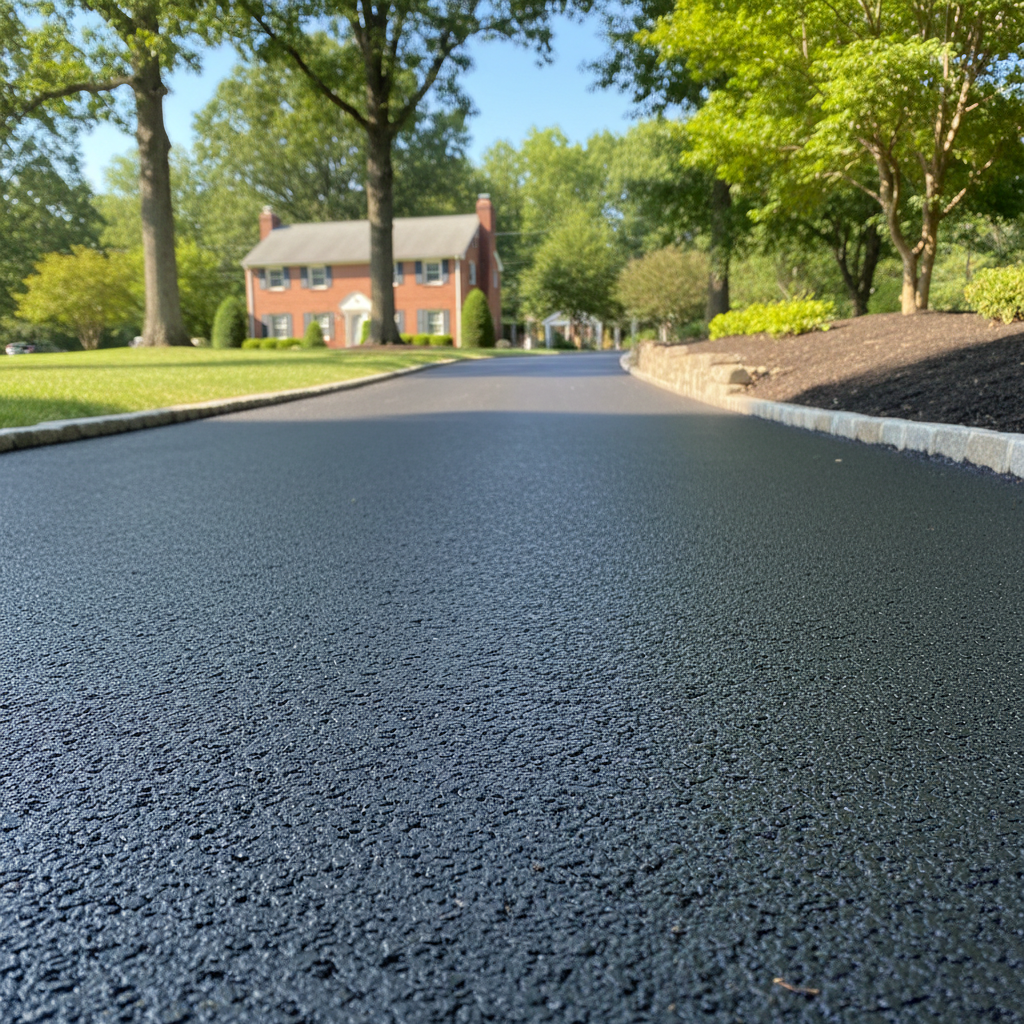
What's the difference between residential and commercial asphalt paving?
That's a question I get a lot, and it's a good one because the differences are pretty significant. When we're talking residential, like your driveway, it's usually designed for lighter loads. You've got cars, maybe a light truck, but not much else. So, the base layers might be thinner, and the asphalt mix itself can be a bit less robust. Commercial paving, on the other hand, has to handle a lot more abuse. Think about a shopping center parking lot or an apartment complex. You've got heavy delivery trucks, constant traffic, bigger vehicles, and often, higher volumes of cars. That means we're looking at thicker, more compacted base layers – sometimes multiple layers of aggregate – and a much stronger asphalt mix. We're talking about higher percentages of aggregate and binders to stand up to those heavier loads and constant wear. It's not just about how it looks; it's about engineering it to last under different stresses. You wouldn't build a bridge out of house bricks, right? Same principle here.
How often should I expect to repave a commercial parking lot?
This isn't a simple 'every X years' answer, because it really depends on a few big factors. The biggest one is traffic volume and type. A small office building with 10 cars a day is going to last a lot longer than a busy retail center with hundreds of cars and delivery trucks daily. How well it was installed initially makes a huge difference too. A cheap, rushed job isn't going to hold up. Then there's maintenance – if you're keeping up with sealcoating and minor repairs, you can extend the life significantly. But generally, for a well-maintained commercial lot in Falls Church, you're probably looking at 15 to 25 years before a full repave is needed. I've seen some older lots in places like the Broad Street area that are pushing 30 years, but they've had consistent care. If you're seeing widespread cracking, potholes that keep coming back, or significant drainage issues, it's probably time to start thinking about it.
What's the deal with asphalt warranties for commercial jobs?
Warranties are important, and you should always ask about them. For commercial asphalt work, you'll typically see a warranty that covers material and workmanship defects. Most reputable contractors, including us at Coastal Asphalt Solutions, will offer a warranty, usually for one to two years. What does that mean? It means if the asphalt starts failing prematurely due to a problem with the materials we used or how we installed it – like severe cracking or crumbling that's clearly not from normal wear and tear or abuse – we'll come fix it. It doesn't cover things like damage from plows, oil spills, or just general aging. It's there to protect you from a faulty job. Make sure you get it in writing and understand what's covered and for how long. A good contractor will stand behind their work, but it's crucial to know the terms.
My parking lot has standing water after it rains. Is that just normal?
Absolutely not, that's not normal, and it's a problem you need to address. Standing water, or 'ponding,' is a major red flag for a few reasons. First, it's a safety hazard. People can slip, and it can hide potholes. Second, and this is critical for the longevity of your asphalt, water is asphalt's worst enemy. When water sits, it seeps into any tiny cracks, and then when it freezes in the winter – which we certainly get here in Falls Church – it expands. That expansion creates bigger cracks, which lets in more water, and the cycle continues until you've got potholes and widespread deterioration. It's usually a sign of improper grading or drainage during the initial installation. We can often fix it with targeted repairs or by adding drainage solutions, but ignoring it will only lead to more expensive problems down the road.
Can I just patch potholes, or do I need a bigger repair?
Patching potholes is definitely a valid and often necessary part of asphalt maintenance, especially for commercial properties. It's like putting a band-aid on a cut – it stops the bleeding and prevents infection. If you've got isolated potholes, especially if they're fairly new, a good patch can extend the life of your pavement and keep your property safe. We'll cut out the damaged area, clean it, apply a tack coat, and then fill it with new asphalt, compacting it properly. However, if you're seeing potholes everywhere, or if the patching you're doing isn't holding up, that's a sign of a deeper problem. It means the underlying base might be failing, or the asphalt itself is just at the end of its life. At that point, you're throwing good money after bad with just patches. You might need a larger-scale repair, like an overlay, or even a full reconstruction of sections or the entire lot. I'll always give you an honest assessment of whether a patch is a smart move or if it's time to consider a more comprehensive solution.
What's the best time of year to do commercial asphalt work in Falls Church?
Timing is everything with asphalt, especially here in Northern Virginia. We need specific conditions for the asphalt to cure properly and for the work to last. Generally, the sweet spot is spring through fall. You want consistent temperatures above 50 degrees Fahrenheit, and ideally, no rain in the forecast for a few days after the paving. The warmer temperatures help the asphalt mix stay pliable during installation and allow it to compact properly. If it's too cold, the asphalt cools too quickly, making it harder to work with and potentially leading to a weaker, less durable surface. If it's too hot, like those really sweltering August days, the asphalt can be too soft, making it difficult to compact evenly. So, I usually tell folks to aim for late spring, early summer, or early fall. We can certainly work outside those times if absolutely necessary, but you're usually better off waiting for optimal conditions if you can.